
Food Service Refrigeration for Senior Living

Get Free Quote
Refrigeration for the facility kitchen
Plan extra food storage for a senior care or assisted living kitchen with TEMP-PACK refrigerated trailers. We discuss the products, required conditions, loading needs, property and dates with the people arranging and operating the rental.
Connect the dining manager and food operator with the facility purchaser, receiving and power contacts. Plan around resident meal windows, kitchen works, food deliveries and the return of stock to normal storage. Our Buda based team serves Austin, San Antonio and Central Texas, with the offered equipment and exact site reviewed for each request.
Start the senior living food storage request
Tell us the facility, food inventory, required conditions, quantities and full dates. Include meal service windows, power, loading needs and the purchaser, food operator, receiver and facilities contacts.
Choose delivery or pickup to begin the equipment, availability and complete quote discussion. Identify medicines or other specialist materials separately for technical review. You can also use our cold storage request form.
Need help choosing?
Call 512-385-4444
Our refrigerated trailers for your facility kitchen
We review the offered trailer and configuration around the food, packaging and retrieval pattern. Include the quantities and conditions the responsible food operator requires before choosing equipment.

Our portable cold storage equipment
Our published offer lists an 8 × 12 foot refrigerated portable storage trailer with a starting figure of $149.99. Request the current offered unit, configuration, availability and complete written quote for the property and dates. The figure does not establish a rate period, total cost or specialist contents approval.

Plan the load around meal service
Identify food needed for prep, each meal period and replenishment. We review usable space, loading access and operating requirements for the offered equipment. A footprint alone does not establish stock quantity or payload.
See our cold storage service and business cold storage options.
Connect refrigeration with kitchen works and food receiving
A planned kitchen repair, an incoming stock peak and an urgent equipment concern need different dates and contacts. Give us the immediate requirement and the full operating period the food team expects to need storage.
Kitchen works while meals continue
Connect equipment maintenance or renovation with the date food leaves existing storage. Include trailer receiving and readiness, goods needed during the work and when normal storage can receive stock again.
Resident meal windows and replenishment
Describe prep, meal service and retrieval times with the dining manager or food operator. Identify food needed first and the people replenishing each service point while kitchen access or work areas change.
Food deliveries and extra stock
List products, packaging, delivery dates and retrieval frequency. Keep ownership and the responsible operator clear when different kitchens, suppliers or dining areas have goods in the plan.
Urgent refrigeration requests
Give the exact location, food requirements, power and earliest receiving window with an approving contact. We review equipment availability and possible arrangements; an urgent request does not guarantee immediate delivery or a response time.
For ordinary resident belongings and furniture, use our separate senior living mobile storage route. A wider food operation can also use catering and food service cold storage.
Connect the food operator with facility approval
We discuss the rental with the person approving it and the people receiving and operating the trailer. Keep the food plan, site arrangements and any changes connected to the responsible contacts.
Dining manager or food operator
Define products, required conditions, packaging, loading and checking procedures. Keep the operator’s diet, allergen identification and stock records with the responsible food team, including items needing separate handling or retrieval.
Facility purchaser or administrator
Name the person approving the rental, payment and changes. Include the invoice contact, work dates and full equipment and movement scope before arranging delivery.
Facilities and receiving
Give us the property and power contacts, receiver and people able to act during closed hours. Include who can approve a changed position, supply or access arrangement and who meets collection.
Plan through food receiving and the return to normal storage
1. Review the food service requirement
Share products, conditions, meal and work dates, contacts and power. Review the offered equipment, availability and complete quote with the approving purchaser.
2. Receive and prepare the trailer
Arrange property permission, a clear agreed route and the receiver. Review handover, instructions, startup and readiness checks before approved food is loaded.
3. Work through the meal service period
Coordinate loading and retrieval with the food operator. Keep checking, stock identification, authorized access and power contacts in place through meal windows, overnight and closed hours.
4. Return stock and arrange collection
Confirm normal storage is ready and agree the destination for remaining food, unloading responsibility and equipment return condition. Keep collection access available until the trailer leaves.
Agree the property, loading route and power
Arrange permission with the facility contact and share the exact entry and proposed standing area. Tell us about surfaces, gates, turns, overhead obstacles and works affecting delivery or collection access.
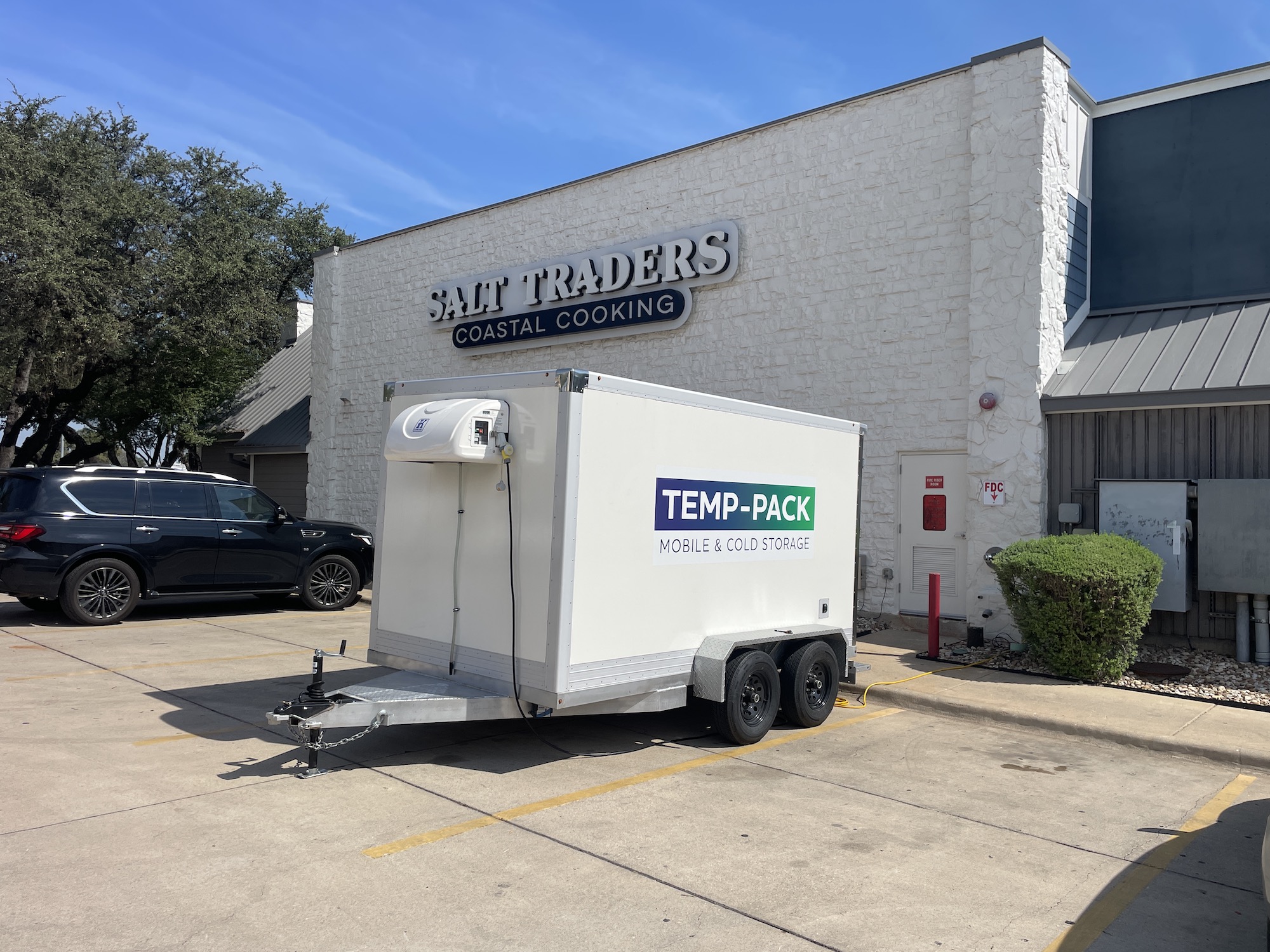
Connect storage with kitchen receiving
Plan the route between suppliers, the trailer and meal preparation with the food and facilities teams. Coordinate loading with deliveries and work areas, and keep the agreed route available through collection.

Prepare the equipment position and supply
Give the available power information and a facilities contact able to discuss the offered unit connection, cable route and extra equipment. Include loading needs, retrieval frequency and expected door use.
Review any generator proposal against the offered equipment and site. Include power for the entire period, overnight or closed hours, and agree the contacts and actions for interruptions. A facility outlet or suggested supply is not automatically suitable.
Agree condition, checking and stock responsibilities
We review the offered equipment, handover and instructions with your receiver. The food operator remains responsible for the contents, handling requirements and checking procedures through the rental.
Condition and startup
Discuss cleaning, inspection, requested cooling or freezing mode, startup and readiness checks. Tell us about any required documentation before arranging the rental and confirm the agreed condition at handover.
Stock identification and retrieval
Have the food operator identify the products and records needed for meal service and any diet or allergen requirements. Discuss packaging, loading and separate retrieval needs. Do not assume the trailer provides separate compartments; the food operator retains its handling procedures.
Overnight checks and operating concerns
Assign food and equipment checking duties with authorized access and power contacts. Agree actions for a power interruption, equipment concern or changed requirement before loading. A thermostat display alone does not establish food readiness.
Describe chilled and frozen product groups separately. We review the offered configuration rather than assuming simultaneous zones, a numeric temperature range, energy savings or a security guarantee. Any proposed movement with contents needs separate review; rental does not establish loaded refrigerated transport or active cooling in transit.
Quote the complete food service storage period
Include receiving, setup, startup, food loading, meal service, overnight use, unloading and equipment return in the period. Short maintenance gaps and longer kitchen works are reviewed against availability and the written scope.
- Equipment and food: offered trailer, configuration, inventory and load.
- Property and movements: address, receiving windows, delivery, collection or approved pickup arrangements.
- Operating period: works, receiving, meal windows, replenishment and return stages.
- Full charges: rental, transport, handling, taxes and other agreed equipment or services.
Compare cold storage pricing for the same period and scope, then use the cold storage request form. Contact us about changes to dates, food, power or property access before the next stage.


Click360 cold storage recognition
2026 Click360 B2B Business Leader Awards
View the Click360 cold storage award linked from TEMP-PACK’s website. Read the award page for the category and its published details.

Questions about senior living food service refrigeration
What starts a senior living food service refrigeration request?
Send the facility, food inventory, required conditions, quantities, power and full dates. Name the approving purchaser, dining manager or food operator, receiver and facilities contact with food delivery and meal service windows.
Can refrigeration be planned around kitchen works?
Connect trailer receiving, startup and readiness with the date food leaves existing storage. Include goods needed during meals, the work stages and when normal storage can receive stock again, with unloading and collection at the finish.
How should resident meal windows be included?
Give prep, service, replenishment and retrieval times with the responsible dining or food operator. Identify food needed first and the people using storage through each meal period, including work changing kitchen access.
How can food deliveries or inventory overflow be described?
List incoming products, packaged quantities, delivery dates and retrieval frequency. Identify stock needed during the period, the responsible operator and the destination for remaining goods when normal storage resumes.
How should diet or allergen requirements be communicated?
Have the food operator define products, identification records, packaging, handling and retrieval requirements. Discuss the proposed load without assuming separate compartments or compatibility. The food operator retains responsibility for its diet and allergen procedures.
Who keeps responsibility for stock from different kitchens or suppliers?
Identify each inventory owner and the food operator coordinating receiving, access and retrieval. Keep stock records and responsibility for the contents with the food team, and agree who can request changes to the overall rental.
What information helps with an urgent equipment problem?
Give the exact address, food requirements, available power, earliest access and an approving contact. We review available equipment and possible arrangements. An urgent request does not guarantee immediate delivery or a response time.
Can medicines or clinical supplies use the food service plan?
Provide exact contents, technical requirements and documentation for separate technical and business review before any such use is arranged. The food service rental does not establish medication integrity, clinical suitability or regulatory compliance.
What does the published 8 × 12 foot offer mean?
It describes a refrigerated portable storage trailer. Review the current offered unit, usable space, loading access, configuration and availability for the request. A footprint does not establish food quantity or payload.
Is $149.99 the total rental price?
It is the published starting figure with no rate period established here. Request the current equipment and complete written quote covering the period, movements, handling, taxes and other agreed items.
Can we request cooling or freezing?
Describe food groups and required conditions with the responsible operator. We review the offered configuration. Do not assume simultaneous chilled and frozen zones or a numeric temperature range from a general trailer description.
Who should approve and coordinate the facility rental?
Name the authorized purchaser and invoice contact with the dining manager, food operator, receiver and facilities contact. Identify who can approve changes and operate or access the equipment through the full period.
What site and receiving details are needed?
Arrange permission with the facility contact. Share the proposed position, surface, entry, gates, turns and overhead obstacles with the loading and collection route, including work or deliveries using the same area.
What power information should facilities provide?
Give the available supply, trailer position and cable route with a contact able to discuss the offered connection. Include any generator or extra equipment proposal and power for the full period, overnight and closed hours.
When can food go into the trailer after arrival?
Agree condition, cleaning and inspection requirements, instructions, startup and readiness checks with the receiver and food operator. Arrival or a thermostat setting alone does not establish food readiness.
How should handover and documentation be discussed?
Tell us the condition, inspection and documentation requirements before arranging the rental. Review what is offered and agreed with our team, then confirm equipment condition and instructions with the receiving contact.
Who handles overnight access and operating concerns?
Assign food and equipment checking duties, authorized access and contacts able to respond during closed hours. Agree actions and the contact plan for power interruptions or equipment concerns before loading.
Can the facility request pickup instead of delivery?
The cold storage form provides both choices. Describe the proposed vehicle, towing, collection and return arrangements for review. Selecting pickup begins that discussion rather than approving the setup or setting hours and charges.
Does rental include moving food between sites?
Describe loaded movements separately from stationary storage. Review the route, contents, equipment and operating requirements. Rental alone does not establish refrigerated transport with food or active cooling in transit.
What if works, meal service or stock requirements change?
Contact us with revised dates, products, power or access before relying on a changed setup. We review availability, the period and quote changes. A new work date does not automatically extend the rental or reserve equipment.
What must be ready for stock return and collection?
Confirm normal storage is ready, the destination for remaining food, unloading responsibility, return condition and collection contact. Keep access clear and confirm keys or accessories. Use our cold storage request form to start the full plan.
Tell us about the kitchen and meal service requirement
Bring us the food inventory, dining and facility contacts, receiving and meal windows, site and power details, and full dates. We will discuss the offered trailer, operating period and complete quote.