

Plan storage around the restoration work
Storage containers for restoration companies can provide space for approved belongings while work takes place at a home or business. Start with the condition of the goods, the work area and the dates, then decide where the packed contents should stay.
Water damage, fire damage and remodeling projects call for different decisions. Qualified restoration personnel must assess affected goods and any preparation they need. TEMP-PACK must confirm the permitted contents and their accepted condition before loading. A rental container is not a drying, cleaning, decontamination or repair service.
Discuss the project address, inventory and preferred rental period with TEMP-PACK. Confirm availability and the complete arrangement before planning the crew or client schedule around a delivery.
Request storage for your restoration project
Choose Storage for a storage request, Moving for transport, or Both when the project needs both services. Enter the email and phone details requested in the form. Storage and Both offer location choices; Moving and Both ask for the final ZIP code.
Have the site ZIP code, preferred dates and an outline of the assessed contents ready. Continue to the TEMP-PACK quote service, then confirm contents acceptance, the unit, placement, any transport or facility storage, full charges and terms with the team.
Need help choosing?
Call 512-385-4444
Get Free Quote
Get Free Quote
Separate the work area from approved stored contents
Water damage projects
Ask the restoration team which belongings can be packed, which need treatment and which must remain outside the storage plan. Do not assume that wet materials or goods affected by mold are accepted in a rental unit. Confirm their condition and supplier approval before moving them into storage.
Fire damage projects
Record the goods involved and let qualified restoration personnel assess smoke, soot and other effects. Keep assessment and treatment decisions separate from the rental request. Fire affected contents are not automatically suitable for storage, and renting a unit does not establish that belongings can be salvaged.
Remodeling during restoration
Identify the furniture, fixtures and approved project goods that need to leave the work area. Pack in the order items will be returned, while keeping materials needed by the crew accessible. For a project centered on renovation rather than damage restoration, see storage for remodelers and contractors.
Tell TEMP-PACK about affected contents before booking. Agreement on a delivery date does not replace approval of the proposed load. Keep any goods awaiting assessment separate from goods approved for packing.
Make room for the accepted client belongings
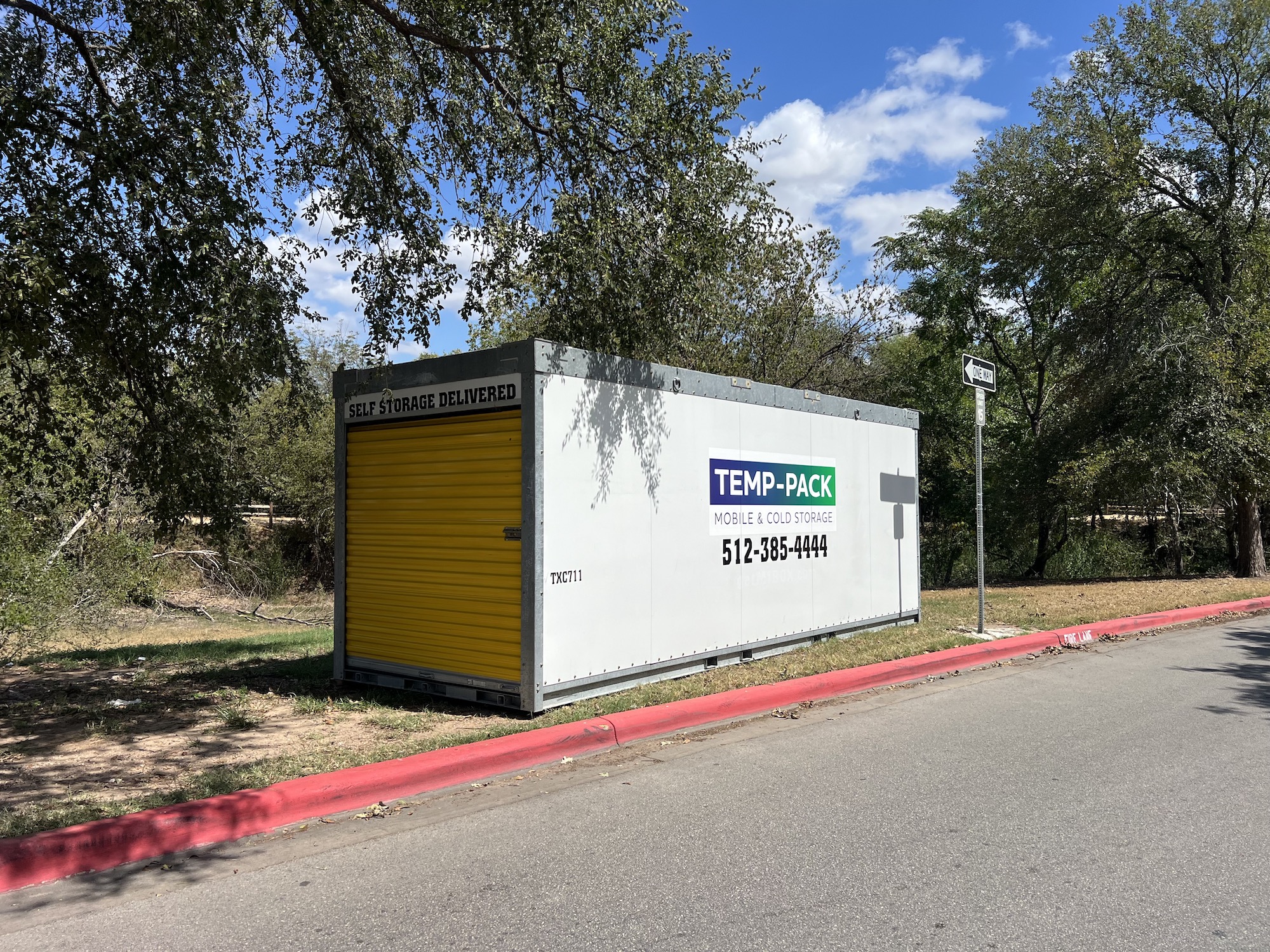
Our portable storage solutions for restoration companies give assessed and accepted belongings a place while rooms are cleared for work. Keep the client’s approved furniture, fixtures and packed boxes grouped by the rooms they came from. Set aside everyday items the client needs before the property is ready for the rest of the load.
Bring the accepted inventory and measurements of large items to our container size discussion. The published 8, 16 and 20 foot options are a starting point for matching the equipment to the load. Include goods needed during the storage period when you describe the packing arrangement.
Six decisions for a workable rental plan
Delivery and packing location
Choose where approved contents will be packed and loaded. Discuss the delivery address, standing area and site restrictions, including how the unit will fit around active restoration work. Confirm the proposed arrangement with the property owner and TEMP-PACK.
Complete project cost
Compare quotes using the same inventory, period, addresses and handling needs. Separate rental from delivery, transport, facility storage and collection. A low rental figure alone does not show the cost of the full job or establish a saving against another plan.
Work and retrieval sequence
Group goods by room, owner or return stage. Identify items that may be needed before the work ends and decide how they can be reached. Property storage and facility storage have different access arrangements that need to fit the crew and client schedule.
Contents and access responsibility
Agree who packs, loads, checks the permitted condition of goods and holds the key. Ask about the unit, lock arrangements, environmental limits and any protection terms. Discuss insurance with the responsible insurer; do not assume the rental covers the stored belongings.
Transport and collection
Confirm who arranges each movement, including any loaded transport, facility transfer and redelivery. Packing and loading labor should be discussed separately. Plan where the unit will go when the site changes and how collection can take place after unloading.
Dates and changes
Give the preferred delivery date and expected rental period, then confirm availability. Ask how extensions, revised delivery dates, collection notice and billing are handled. A changing restoration schedule needs agreed updates rather than an assumption of open ended availability.
Agree the contents workflow with the client
Before the container arrives, identify who can approve the rental, the proposed contents and any later changes. The contractor, property owner, occupant and insurer may have different roles. Record the agreed contact and the person responsible for payment so decisions do not depend on an absent crew member.
Assess and obtain permission
Have qualified restoration personnel assess affected belongings and decide the preparation they need. Obtain the client’s permission for packing, storage and proposed movements. Give TEMP-PACK enough information to confirm accepted contents and conditions before loading begins.
Record and pack the approved load
Prepare an inventory with item or box identifiers, room references and condition notes. Photos can support the handover record but are not proof of insurance eligibility or an assessment of contamination. Use packing materials suitable for the approved goods and keep labels consistent with the inventory.
Load for the agreed retrieval plan
Confirm packing, lifting, loading and load securement responsibilities. Ask TEMP-PACK about the exact unit’s loading requirements and permitted load before work starts. Keep the proposed retrieval route in the plan; do not rely on a room count to decide how much can be loaded.
Check access and return items
Keep a record of key holders and authorized access. Update the inventory when goods are removed or returned. Before redelivery or unloading, have the responsible project lead confirm that the receiving area is ready and that the client agrees to the return sequence.
Rental equipment does not clean, dry or treat the load. If the condition of goods changes during the project, consult the restoration specialist and TEMP-PACK before adding, moving or continuing to store those goods.
Keep room groups identifiable through each handover

Use restoration storage containers with a consistent record of each room, owner and box group. Agree item identifiers before loading and keep the inventory with the person handling retrieval requests. Label the groups expected to return first, and record items removed so the restoration team and client share one current list.
Update the project contacts when a different crew takes over retrieval. Tell the key holder which goods are needed and who will receive them. For work centered on renovation rather than damage restoration, use the separate remodeling storage plan with the client and contractor.
Check placement, permissions and the collection route
For storage at the property, get permission from the owner or site manager and check any applicable building, lease, association or local requirements. Do not assume that a driveway, shared parking area or street can be used without review.
Describe the proposed standing area and send site information requested by TEMP-PACK. Discuss gates, turns, overhead obstructions, surface conditions, the unit door opening and the route between the work area and the container. Ask the team to confirm delivery and collection access for the exact equipment rather than relying on an estimated clearance.
Keep access to occupied areas, emergency routes and the restoration work zone in the site plan. Decide who will be present for delivery and how the driver can reach the site contact. Tell the team if scaffolding, fencing, materials or parked vehicles may change the collection route during the rental.
Choose property storage, a facility or transport
| Storage plan | Decide before booking |
|---|---|
| At the project property | Confirm permission, placement, work access, conditions, key responsibility and the route for collection. |
| At a TEMP-PACK facility | Confirm availability, facility conditions, scheduled access, retrieval arrangements and the transport needed to get goods back. |
| Transport between addresses | Confirm both addresses, accepted goods, loading and securement responsibilities, delivery access and any storage between movements. |
Ask about facility storage and its climate conditions if the goods need conditions a dry container cannot provide. Confirm the specific facility, operating conditions and access arrangement; a portable dry unit is not a climate controlled room.
For an approved load that must change address, review moving and loaded transport. Confirm the route and service available for the job. For a separate refrigeration or freezing need, use cold storage and discuss equipment suitability. Refrigeration is not treatment for water or fire affected contents.
Return the approved load when the property is ready
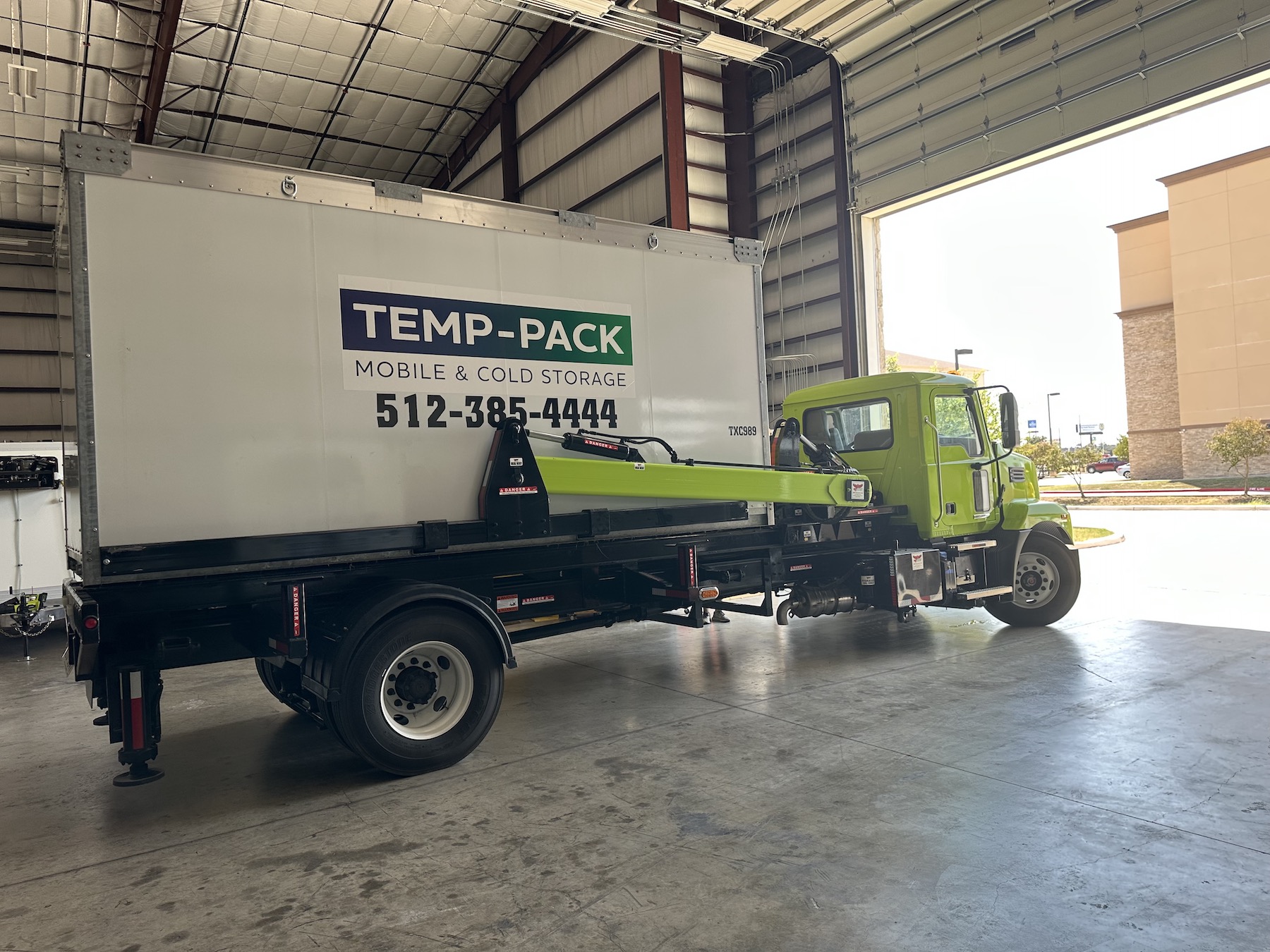
For temporary storage after fire damage, start the return plan with the approved load and the rooms ready to receive it. Have the responsible project lead and client agree the first return group. Share changed receiving dates with TEMP-PACK before arranging the container’s next movement or the return of remaining goods.
Once the belongings are back, identify any crew items or packing materials still waiting for a destination. Tell TEMP-PACK when the unit will be empty for the agreed collection, or discuss a further storage stage. See our process for the equipment sequence from delivery through collection.
Confirm full charges and changes to the work schedule
Ask for a quote covering the proposed unit, rental period, project address and every planned movement. Include delivery, collection, loaded transport, facility storage, redelivery, packing materials or labor arranged separately, taxes and any applicable protection charges. Ask about access related charges, cancellation, rescheduling, minimum terms and changes to the original plan.
Set a check in point before the expected finish. If work will run longer, contact TEMP-PACK to discuss an extension, availability and revised charges. If the property cannot receive the goods as planned, review the alternatives before arranging a movement. Do not assume that a rental extension or changed collection date is already agreed.
Before collection, confirm that the load has been removed as required, the unit meets the return conditions and the access route is clear for the agreed equipment. Ask what notice is needed, what the collection charge includes and when rental billing ends.
Review rental terms and conditions alongside the written quote. For the broader sequence, see the TEMP-PACK process. Confirm delivery coverage for the project address through the team or location information.


Click360 mobile storage recognition
2026 Click360 B2B Business Leader Awards
View the Click360 mobile storage award linked from TEMP-PACK’s website. Read the award page for the category and its published details.

Restoration storage questions
Can a restoration company rent a container for a client’s property?
Yes, you can discuss that arrangement with TEMP-PACK. Confirm who can approve the placement, sign or accept the rental terms, pay the charges and authorize access. Obtain the client’s permission for the contents and proposed movements, then confirm availability for the address and dates.
Can water damaged belongings go into the container?
Do not assume they can. Qualified restoration personnel must assess affected goods and decide any preparation needed. TEMP-PACK must confirm the permitted contents and their accepted condition before loading. Rental is not a drying or mold treatment service.
Can fire affected contents be stored?
Have the restoration team assess smoke, soot and other effects first. Describe the proposed contents and condition to TEMP-PACK for acceptance review. A container does not decontaminate or repair goods and does not establish that belongings can be salvaged.
Can the same plan cover remodeling work?
Discuss approved furniture, fixtures and other goods that need to leave the work area. Plan packing and return stages around the project, including items needed before completion. Confirm storage conditions, site permission and dates rather than assuming all remodeling goods are suitable.
Should the unit stay at the property or go to a facility?
Base the choice on site permission, working space, retrieval needs, goods conditions and the full transport plan. Property storage needs an approved placement and access route. Facility storage needs confirmed conditions, access arrangements and a plan for returning the goods.
What size should we request?
Prepare an inventory and measure large or awkward items. TEMP-PACK lists nominal 8, 16 and 20 foot options, but availability and suitability need confirmation. Ask about the exact unit’s dimensions, door opening and load limits; room estimates alone do not establish fit.
Who packs, loads and secures the goods?
Agree those tasks before delivery. Identify the crew or outside provider responsible for packing, lifting, loading, securement and unloading. Ask TEMP-PACK about requirements for the exact unit and any planned loaded movement. Do not assume rental includes loading labor.
How should we track a client’s belongings?
Use a consistent inventory with item or box identifiers, room references and condition notes. Agree who can remove items and update the record at retrieval and return. Photos and inventories can support project records but do not prove insurance eligibility or establish that affected goods are suitable for storage.
Can crews retrieve items during the rental?
Discuss the access frequency and authorized people before booking. At a property, agree key responsibility and a loading arrangement suited to planned retrieval. At a facility, confirm appointment, access and retrieval arrangements. Do not assume access without prior arrangements.
Does a dry container provide climate control?
A dry portable container is not a climate controlled room. Discuss the conditions required by the approved goods. If considering facility storage, confirm the specific facility and its operating conditions. Refrigerated equipment is a separate service and is not treatment for damaged goods.
What does the project quote need to include?
Ask for the unit, rental period, delivery, collection and every planned movement. Add facility storage, redelivery, packing or labor arranged separately, taxes and applicable protection charges. Confirm minimum terms, access related charges and the cost of changes so the client can review the complete plan.
What if the restoration work takes longer?
Contact TEMP-PACK before the expected end to discuss an extension and revised charges. Confirm unit availability, notice and collection arrangements. A changing project schedule does not automatically extend the rental or reserve a later movement.
Can TEMP-PACK move the loaded unit to another address?
Discuss both addresses, the accepted load and the proposed dates. Confirm route availability, loading and securement requirements, access and any storage between movements. Keep packing, unloading and outside labor responsibilities clear in the quote.
Will insurance pay for the storage?
Coverage and reimbursement depend on the policy, claim and responsible parties. Ask the client and insurer what approvals and records they need before committing to the rental. TEMP-PACK’s rental quote or an inventory does not guarantee insurance payment.
What needs to happen before return and collection?
Have the project lead and client confirm that the receiving area is ready for approved goods. Agree the unloading order and people responsible. Then confirm unit return conditions, collection notice, access, applicable charges and when billing ends with TEMP-PACK.
Discuss storage for the restoration plan
Have the assessed contents, project address, preferred dates and responsible contact ready. Confirm supplier acceptance before loading and agree the unit, movements and full rental charges.
Contact TEMP-PACK about the project or start a dry storage quote.