
Office Moving Storage

Solicita un presupuesto gratuito
Solicita un presupuesto gratuito
Separate packed office goods from what the team still needs
Office moving storage needs a plan for furniture, equipment, documents and inventory before anything leaves the workplace. Identify goods that can stay packed, items staff must retrieve during the project and the conditions or access rules each group requires.
For a full office move, renovation, decluttering or temporary project, give TEMP-PACK the inventory, addresses and dates. Discuss delivery, the storage location, any later movement and collection as one complete arrangement. A rental can be part of the work plan without guaranteeing uninterrupted operations.
Appoint an office contact who can approve contents, placement, access and changes. Confirm the offered unit and its suitability before packing sensitive equipment or records; dry storage does not establish climate control, professional records custody or a compliance certification.
Request storage for the office work sequence
Choose Storage for a storage arrangement, Moving for goods changing address, or Both when the project needs both. Enter the email and phone details requested. Storage and Both show storage location choices; Moving and Both ask for the final ZIP code.
Have the initial ZIP code, preferred dates, inventory and any destination ready. Continue to the TEMP-PACK quote service, then confirm contents acceptance, the unit, access, movements, operating responsibilities and full charges. The request does not establish an automatic booking or an approved environment for every office asset.
Need help choosing?
Call 512-385-4444
Match temporary storage to the office project
Relocation and a full office move
List departure and receiving dates and any interval without access to the new premises. Separate goods needed for ongoing work from the packed load. Give both addresses and identify who receives equipment and belongings at each end.
Renovation, downsizing and decluttering
Identify rooms or work areas being cleared and items staff still need. Coordinate the storage position and retrieval route with occupants and contractors. Plan the order for returning goods when the receiving areas are ready rather than assuming the whole office returns at once.
For downsizing, decide which furniture, files and equipment will go to the smaller office, remain in approved storage or leave through another office approved arrangement. Assign those decisions and receiving contacts before packing so goods are not returned to space that is no longer available.
Temporary projects and seasonal inventory
Describe the goods, quantities, expected changes and period. Assign responsibility for project stock or equipment and identify retrieval dates. Confirm unit availability, rental terms and access; a temporary need does not establish supply on demand or unrestricted loading time.
Make room for the next office layout

Office furniture storage can make room for refurbishment, a smaller layout or the interval between offices. Our mobile containers provide space for approved desks, chairs, shelving and packed supplies within the agreed rental arrangement. Separate furniture returning to the workplace from pieces leaving the business, so the load reflects the layout you are preparing.
Bring the furniture inventory to our container size discussion. Include large desks, shelving sections and the boxes staff need during the work. Our published 8, 16 and 20 foot options give you a starting point for matching the equipment, load and retrieval arrangement to the project.
Coordinate the move in agreed stages
Set the scope and approving contacts
Identify the office lead, property contact, department owners and people authorized to approve changes. Record the load, required conditions and goods that remain available for work. Confirm permitted contents with TEMP-PACK before loading.
Prepare departure and handling
Label goods by department, owner or receiving area. Agree packing, dismantling, lifting, loading and load securement, including any specialist equipment handling. Confirm who supplies materials and labor. Rental should not be assumed to include those tasks.
Manage the storage interval
If the receiving premises are not ready, confirm where the goods will stay and how approved staff can retrieve them. Plan the unit’s packing arrangement around those needs. Agree notice, appointments and charges for any facility access or redelivery.
Receive and put goods back into use
Have the office lead confirm that receiving areas and contacts are ready. Agree the unloading order and people responsible for each group of assets. Record goods removed from storage, then confirm the separate empty collection arrangement.
Keep work items needed during the project identifiable and assign a contact for retrieval requests. Update the plan if occupancy, contractors or move dates change. The storage arrangement does not guarantee a particular transition time, uninterrupted service or staff productivity.
Review equipment, documents and inventory separately
Office furniture
List furniture dimensions and any dismantling, packaging, lifting and assembly tasks. Identify the receiving rooms and confirm which pieces are needed after downsizing. Ask about exact unit access and load requirements.
Business and IT equipment
List exact equipment, packaging, item dimensions and handling requirements. Have the responsible equipment or IT contact establish environmental and access needs, then confirm the offered storage arrangement with TEMP-PACK. A dry container or nominal size does not establish suitability for sensitive devices.
Documents and business records
Follow the office’s policies for deciding what may be stored, packaging, labeling, authorized access and movement records. Assign the person responsible for the documents and their return. Rental does not establish confidentiality controls, regulated records compliance or specialist custody.
Seasonal or project inventory
Record quantities, ownership and when goods are needed again. Label stock consistently and update records when items enter or leave storage. Confirm permitted contents, packaging, conditions and loading requirements for the offered unit.
Agree key holders and authorized retrieval with the office lead. Plan how goods can be reached without assuming unrestricted entry or unpacking everything. Ask about the exact unit’s construction, locks and environmental limits, and confirm handover cleanliness, dryness and condition before loading.
Review protection and insurance terms with the responsible business contacts. A material description, lock or rental agreement does not guarantee against theft, damage, weather or loss of records. Keep goods acceptance and any specialist requirements separate from a general office storage request.
Keep department belongings ready for their return
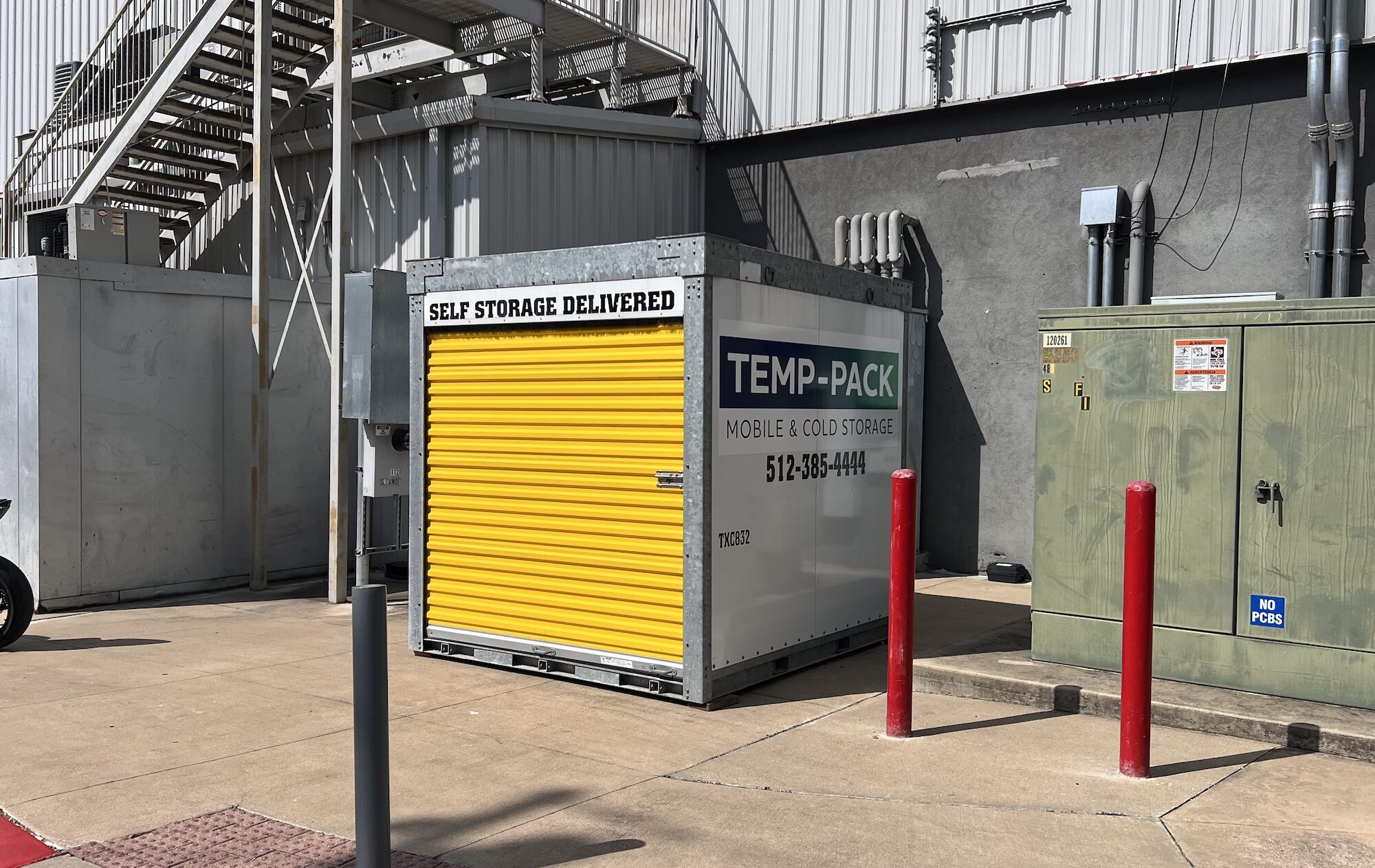
A department label can connect each packed group with the room and person receiving it. Keep furniture parts with their identifying information, and make the boxes needed first easy to locate in the loading plan. Name the staff contact who will record retrievals and tell colleagues where the remaining goods will return.
When rooms become ready at different times, arrange the return around that sequence. Your team can prepare the first receiving area while later items stay packed for their agreed storage period. Share changes to the receiving contact or room schedule with TEMP-PACK before arranging the next container movement.
Choose the storage location and any loaded movement
| Office plan | Confirm |
|---|---|
| At the property | Permission, standing area, staff and customer access, retrieval and collection route. |
| At a facility | Availability, specific conditions, authorized access, appointments, handling and redelivery. |
| Between offices | Both addresses, dates, load requirements, receiving contact and any storage interval. |
For storage at the office property, check owner, landlord or manager permission and applicable requirements. Review the proposed position, delivery approach and use of the area with TEMP-PACK. Do not assume a parking bay or shared loading area can accept the unit and equipment.
Describe gates, turns, overhead obstructions, surface, slope and available space. Include the unit door opening and carrying route. Coordinate staff, customer, contractor, vendor and emergency access with the site contact, and identify the person receiving the driver.
For facility storage, confirm the exact conditions, access notice, appointments and transport needed. A dry portable container is not a climate controlled room. For office goods changing address, confirm the route offered, access at both ends and loading or securement requirements before arranging transport.
For an Austin or San Antonio office, give the exact project and receiving addresses and preferred dates. Ask the team to confirm service coverage, equipment access and availability for the request. A regional service description does not establish every property or movement as available.
Select equipment from the inventory and retrieval plan
TEMP-PACK lists nominal 8, 16 and 20 foot mobile storage options. Prepare an inventory and measure large or awkward goods before reviewing container size selection. Confirm exact usable dimensions, door opening, permitted load, site fit and availability.
A room estimate or nominal length does not establish capacity for office equipment, records or stock. Account for packaging, load arrangement and goods that staff may need during the rental. Discuss operating conditions and sensitive goods separately from size.
Review mobile storage for the broader service. For a retail inventory project or other commercial need, use business application choices to reach the appropriate owner.
Give the packed office goods a place between stages

For temporary office storage, plan the interval from the last loading day through the return of the final goods. List items staff need in between and the person approving their retrieval. This gives our team the information needed to discuss the container location and later delivery alongside the office’s receiving dates.
We can review property storage, an offered facility arrangement and later transport as parts of the same request. For the facility storage option, agree the available conditions, access and redelivery separately. See our process to follow the container stages through collection and return.
Compare complete arrangements, including work space and trips
Ask the quote to cover unit rental, the full period, delivery, collection, any loaded transport, facility storage and redelivery. Include separately arranged materials, specialist handling or labor, taxes and applicable protection or access charges. A base rental figure does not establish the full cost of an office project.
When comparing alternatives, include the commercial work area used for storage, the access it removes, staff retrieval trips and handling at each stage. Compare the same inventory, dates and conditions rather than assuming a container costs less per square foot or eliminates facility visits.
Confirm minimum terms, billing, cancellation, rescheduling and extension rules. If the office or contractor schedule changes, contact TEMP-PACK before the expected finish to agree availability, dates and revised charges. A project delay does not automatically extend the rental.
Before collection, assign unloading and a destination for any remaining goods. Confirm required unit condition, accessories or keys, notice, the site contact and collection access. Advise the team if construction, vehicles or deliveries change the approach. Ask when billing stops and review mobile storage pricing and rental terms alongside the quote.
Customer experiences with TEMP-PACK


Click360 mobile storage recognition
2026 Click360 B2B Business Leader Awards
View the Click360 mobile storage award linked from TEMP-PACK’s website. Read the award page for the category and its published details.

Office moving storage questions
Can temporary storage cover an office move or renovation?
Describe the goods, work sequence, addresses and dates. Identify equipment and records staff need during the project, then confirm unit suitability, location, access and availability with TEMP-PACK. Rental does not guarantee uninterrupted operations or a particular transition time.
What if the new office is not ready for the goods?
Discuss the interval, where the packed load can stay and any retrieval needs. Confirm property or facility storage, conditions, period and later transport as part of the full quote. A receiving delay does not automatically extend the rental or reserve another movement.
Can documents and IT equipment be stored?
Have the responsible office, records or IT contact establish permitted goods, environmental, packaging and access requirements. Confirm suitability for the offered unit and arrangement. Dry storage does not establish climate control, confidentiality, regulated compliance or specialist custody.
How should staff organize goods needed during the project?
Label assets by owner, department or receiving area and identify goods needed first. Agree authorized key holders, retrieval and movement records. Plan access with the packed load and storage location; do not assume every item can be reached immediately.
Can the unit stay at the office property?
Confirm permission and applicable requirements with the owner or manager, then review the position and exact equipment access with TEMP-PACK. Include footprint, door opening, surface, approach and staff, customer and emergency routes. A shared loading area or parking bay is not automatically suitable.
Can office goods go to a facility?
Ask about availability, the specific environment, authorized access, notice, appointments and handling. Include transport and redelivery in the arrangement. A dry portable unit is not a climate controlled room and a facility enquiry does not establish unrestricted entry.
Who packs, loads and unloads the assets?
Assign packing, dismantling, lifting, loading, securement and unloading before delivery. Confirm any specialist handling, labor, materials or equipment separately. The rental should not be assumed to include those services.
What size should an office request?
Prepare an inventory, measure awkward items and include retrieval and packing needs. Published options are nominal 8, 16 and 20 foot units. Confirm exact usable dimensions, door opening, load limits, site fit and availability rather than relying on a room count.
What should the office ask about condition and protection?
Confirm handover condition, accepted contents, construction, locks, keys and environmental limits for the offered unit. Review insurance and protection terms with the responsible business contacts. Rental does not guarantee security, weather protection or loss prevention.
Can the plan cover temporary projects or seasonal inventory?
Give the goods, quantities, dates and retrieval needs and name a contact responsible for the load. Confirm available equipment, period, access and collection. A short project or changing stock level does not establish on demand supply or unrestricted rental time.
How should we compare the cost with another arrangement?
Use the same goods, period, addresses, conditions and handling tasks. Include rental, movements, facility costs, labor, materials, taxes and applicable charges. Account for working area occupied and staff retrieval trips without assuming guaranteed savings or fewer visits.
What should we confirm before changes and collection?
Ask about notice, availability, revised charges, extensions, cancellation and rescheduling. Before collection, arrange unloading, remaining goods, unit return condition, keys, the site contact and access route. Confirm when rental billing ends.
Discuss the office load, dates and working plan
Have the inventory, required conditions, exact addresses and work sequence ready. Confirm the offered unit, access, handling, movements and complete charges with TEMP-PACK.