
Retail Inventory Storage

Solicita un presupuesto gratuito
Solicita un presupuesto gratuito
Plan stock storage around the way the store works
Retail inventory storage needs to account for more than the quantity of merchandise. Start with what can stay packed, what staff must retrieve during trading and how the rental will fit around deliveries, customers and the work taking place at the store.
For seasonal stock, a promotion, remodeling or a store relocation, give TEMP-PACK the inventory, address and dates. Discuss the unit, placement, conditions and movements needed before arranging deliveries or crews around a rental.
This is a dry storage plan for approved merchandise, racks and display units. Goods needing refrigeration or freezing require a separate cold equipment discussion. Confirm suitability and availability for the exact project rather than assuming one arrangement fits every retail load.
Request dry storage for the retail project
Choose Storage for a storage request, Moving for a load changing address, or Both when the plan needs both services. Enter the email and phone details requested. Storage and Both show storage location choices; Moving and Both ask for the final ZIP code.
Have the initial ZIP code, preferred dates and stock outline ready. Continue to the TEMP-PACK quote service, then confirm the unit, placement, access, any facility storage or transport, and complete charges. For refrigerated or frozen stock, use cold storage pricing instead of the dry form.
Need help choosing?
Call 512-385-4444
Match the stock plan to the retail project
Seasonal and holiday inventory
List incoming stock, delivery dates and the point when merchandise moves to the sales floor. Separate goods needed for regular replenishment from stock that can remain packed. Confirm the rental period and access arrangements before relying on storage for a peak trading period.
Promotions and sales events
Plan promotional merchandise, racks, display units and packaging as distinct groups. Identify what is needed for setup, active sales and removal afterward. Agree who retrieves stock, how records are updated and what will happen to remaining goods when the promotion ends.
Remodeling and store relocation
Identify stock and fixtures leaving the work area, items needed while trading and the order for return. A relocation also needs origin and receiving addresses, access at both ends and any gap between premises. Coordinate contractors, staff and transport without assuming the rental prevents downtime.
Make room for the stock arriving before the season
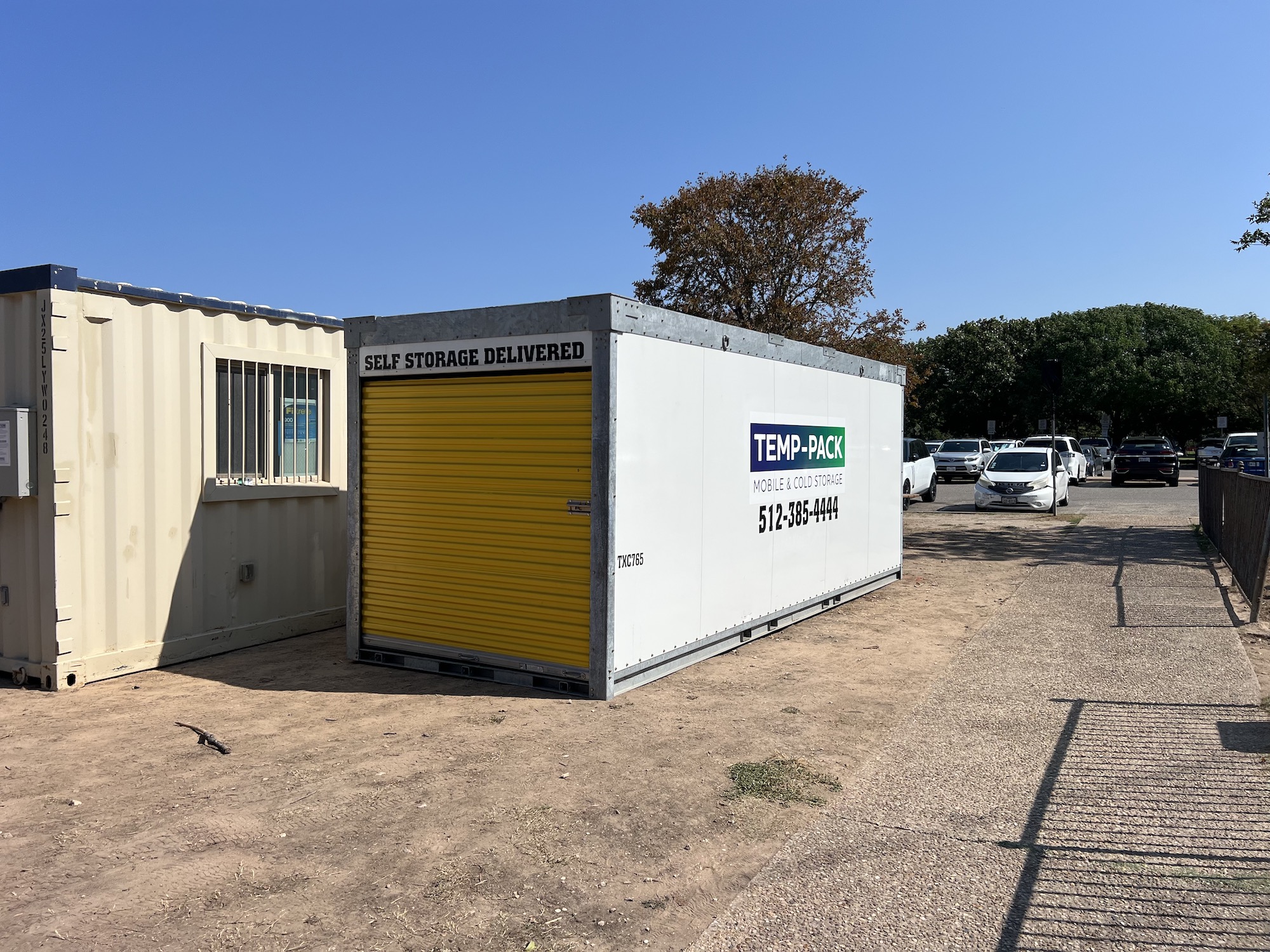
Seasonal inventory storage starts with goods arriving before they are needed on the sales floor. Our mobile containers provide space for approved dry merchandise during the agreed rental period. Separate regular replenishment from stock that can stay packed, and group it by department, product or promotion so staff know what they will need next.
Bring the stock list and large fixture measurements to our container size discussion. Our published 8, 16 and 20 foot options provide a starting point for matching equipment to the load. Include the room needed for packaging and the goods staff must retrieve during the rental.
Six decisions for the complete retail rental
Space for changing inventory
Describe the expected stock and how it changes during the rental. Include seasonal deliveries, promotions and remodeling stages. Confirm the unit and dates offered; do not assume extra space or a replacement unit will be available on demand.
The cost of the same job
Compare plans using the same goods, period, addresses and handling needs. Include unit rental, movements, facility storage, materials, labor and applicable charges. A rental rate alone does not establish a saving over another storage or moving arrangement.
Merchandise and fixture logistics
List merchandise, racks and display units, including awkward shapes and any dismantling needed. Agree who packs, loads, secures and unloads. Confirm property storage, facility transfer and later movements rather than assuming all handling is included.
Contents conditions and custody
Ask about the exact unit’s construction, handover condition, locks, keys and permitted contents. Discuss packing, environmental limits, protection terms and insurance with the responsible parties. Do not assume a material description or rental agreement guarantees against theft, weather or damage.
The store’s working plan
Coordinate storage with remodeling, relocation and restocking. Keep staff tasks, customer routes and goods needed during trading in the plan. A container can be part of the arrangement, but it does not guarantee uninterrupted trading, preserved revenue or a particular work outcome.
Retrieval and replenishment
Identify stock needed during peak periods and sales events. Agree retrieval frequency, authorized staff and the route from storage to the sales floor. Property and facility access need different arrangements; confirm them before relying on a replenishment schedule.
Organize the load for the next stock movement
Prepare a stock list before choosing equipment. Group goods by product, promotion, store department or project stage, and record the quantities and identifiers staff will use. Include racks, display units and large fixtures separately so the team can review size and handling needs.
Measure awkward items and identify any components that must be dismantled or packed separately. Ask about exact unit dimensions, door opening and permitted load. TEMP-PACK lists nominal 8, 16 and 20 foot mobile storage options; review size selection and confirm the offered unit’s specifications and availability. A nominal length or room estimate does not establish merchandise capacity.
Assign stock and key responsibility
Choose the person who approves the load and changes to the rental. Agree key holders, authorized access and who records goods entering or leaving storage. Identify a replacement contact for periods when the usual store manager is unavailable.
Pack for the retrieval sequence
Place merchandise in suitable packaging and label it consistently with the stock list. Plan how approved items needed early can be reached without relying on an improvised unloading arrangement. Review the load and any planned movement with TEMP-PACK before packing.
Coordinate replenishment
Agree when staff can retrieve stock and how the carrying route will work during trading. Include supplier deliveries and sales event peaks in the schedule. For facility storage, confirm appointment, notice and handling arrangements rather than assuming immediate access.
Reconcile stock at return
Update the record when goods go back to the sales floor, another property or an approved storage arrangement. Confirm who receives fixtures and remaining stock after a promotion or remodel. Keep final unloading and collection responsibilities clear.
Confirm accepted contents and required conditions before loading. Ask about cleanliness, dryness and the proposed handover inspection. For stock needing refrigeration or freezing, discuss conditions, equipment and operating responsibility through cold storage and the separate cold pricing route. A dry unit is not refrigerated storage.
Include the displays and fixtures in the stock plan

Retail stock storage can include approved racks and display units alongside packed merchandise. Record the components of each fixture and keep identifying labels with the parts that belong together. Name the staff member receiving the display when it returns, especially if the shop layout changes during a remodel or promotion.
Arrange dismantling and packing with the people handling the fixtures, and give TEMP-PACK the dimensions and proposed load. Keep the stock list consistent when goods leave storage for the sales floor. A replacement key holder should have the same current list and know which department receives each group.
Choose property storage, a facility or transport
| Storage plan | Confirm |
|---|---|
| At the store | Placement permission, standing area, delivery approach, staff access, customer routes and collection space. |
| At a facility | Availability, conditions, access appointments, retrieval, handling, transport and redelivery. |
| Between premises | Both addresses, dates, accepted load, loading responsibilities, receiving access and any storage gap. |
For storage at the property, check permission with the owner, landlord or site manager and review any applicable requirements. Discuss the footprint, doors, loading area and delivery approach with TEMP-PACK. Do not assume a parking bay or shared service area can accept the equipment.
Describe gates, turns, overhead obstructions, surface conditions and slope. Identify where staff will carry goods and how the placement affects customer access, supplier deliveries, contractor work and emergency routes. Have the team confirm access for the exact equipment at delivery and collection.
If the unit cannot stay at the store, ask about facility storage conditions and access. Confirm the specific environment and retrieval process for the stock; a dry portable unit is not a climate controlled room. Include transport and redelivery in the arrangement.
For a store relocation, use moving and loaded transport to review both addresses and service availability. Ask about load securement and any handling requirements before the movement. No packing, loading or unloading labor should be assumed included.
Coordinate storage with staff, customers and contractors
Before delivery, identify a site contact who can receive the equipment and confirm placement with the driver. Give staff the stock retrieval and key arrangements. If a remodel changes the work area, coordinate the storage route with the contractor and store manager before moving merchandise.
Plan around supplier receiving windows and customer activity. State when loading or stock movement can take place and who approves a change. A storage plan should account for the work the store needs to do, without relying on a promise of uninterrupted service or rapid stock access.
Tell TEMP-PACK if construction fencing, materials, parked vehicles or another delivery may alter the collection approach. Confirm revised access before scheduling a movement. For wider application choices, see business storage options.
Plan the last stock movement after the promotion

Temporary retail storage covers a defined stage in the store’s work. Set the requested dates around receiving, setup, replenishment and removal, including the time needed to deal with remaining stock. Give the store manager and receiving staff the same finishing plan before the last display comes off the sales floor.
When the promotion ends, identify goods returning to the shop, moving to another property or entering a separately agreed storage arrangement. Assign a destination for racks and display units as well as merchandise. Tell TEMP-PACK when the container will be empty for collection; our process sets out the equipment stages.
Confirm full charges, changes and collection
Request a written quote for the unit, period, delivery, collection, loaded transport, facility storage and redelivery required. Ask about separately arranged packing materials or labor, taxes and applicable protection or access charges. Compare the full plan for the same job, including trips and handling, without assuming a guaranteed saving.
Confirm the minimum term, billing cycle, cancellation and rescheduling conditions. If a promotion, stock delivery or renovation date changes, ask about availability, extensions and revised charges before planning around extra time. Discuss collection notice and when rental billing ends.
Before collection, arrange where remaining goods and fixtures will go, who unloads and what unit return condition is required. Confirm that the collection route and site contact will be available. Review rental terms and mobile storage pricing alongside the specific quote.
Customer experiences with TEMP-PACK


Click360 mobile storage recognition
2026 Click360 B2B Business Leader Awards
View the Click360 mobile storage award linked from TEMP-PACK’s website. Read the award page for the category and its published details.

Retail inventory storage questions
Can I request storage for seasonal or holiday stock?
Describe the goods, expected deliveries, retrieval frequency and full period. TEMP-PACK must confirm a suitable unit, site arrangement and availability. Plan collection and any remaining stock after the season rather than assuming an open ended rental.
Can storage support a promotion or sales event?
List the merchandise, racks, display units and packaging needed for setup, sales and removal. Agree staff access, stock records and replenishment arrangements. Confirm the unit and dates; rental does not establish on demand availability or immediate access to every item.
Can I store goods during a remodel or relocation?
Discuss the stock and fixtures leaving the work area, goods needed while trading and their return order. A relocation needs both addresses and any storage gap. Confirm staff, customer and contractor access without assuming storage guarantees uninterrupted trading.
Should the unit stay at the store?
Base the decision on permission, available space, delivery access, stock conditions and retrieval needs. Review placement with the owner or manager and TEMP-PACK. Confirm the equipment approach and carrying route; a parking bay or shared service area is not automatically suitable.
Can stock be stored at a facility instead?
Ask about facility availability, the specific conditions, access appointments, retrieval and handling arrangements. Include transport and redelivery in the quote. Do not assume a dry portable container provides climate control or that facility access is available without prior arrangements.
What size should I request for retail inventory?
Prepare a stock and fixture list, measure awkward items and identify retrieval needs. TEMP-PACK lists nominal 8, 16 and 20 foot options. Confirm exact dimensions, door opening, permitted load and availability; nominal length and room estimates do not establish inventory capacity.
Can racks and display units go into storage?
Describe their size, condition, packing and any dismantling needed. Confirm contents acceptance, door and load limits and handling requirements for the exact unit. Agree who prepares, loads and unloads them rather than assuming every fixture will fit intact.
Who packs, loads and secures the stock?
Assign those tasks before delivery. Confirm packing, lifting, loading, securement and unloading requirements with the team for the proposed unit and any movement. Rental should not be assumed to include labor, packing materials or fixture dismantling.
How can staff plan replenishment during trading?
Keep a stock list with consistent identifiers and agree retrieval order, authorized staff and key holders. Plan a carrying route that accounts for customers, deliveries and work zones. Confirm access arrangements at the property or facility before setting the replenishment schedule.
What should I ask about contents protection?
Discuss the exact unit, handover condition, locks, keys, permitted goods, packing and environmental limits. Review insurance and protection terms with the responsible parties. Do not infer a theft, weather or damage guarantee from a material description or the rental alone.
Does dry storage suit refrigerated or frozen merchandise?
No. Goods needing refrigeration or freezing need a separate cold equipment discussion and pricing request. Describe the products, required conditions, site, dates and operating responsibilities. A dry unit is not refrigerated storage or proof of suitability for temperature sensitive goods.
Can TEMP-PACK transport stock between stores?
Give both addresses, dates and the approved inventory. Confirm route availability, loading and securement requirements, receiving access and any storage between movements. Agree who handles the goods and which movements the quote covers.
What belongs in the full rental quote?
Ask for unit rental, period, delivery, collection, loaded transport, facility storage and redelivery as needed. Include separately arranged labor or materials, taxes and applicable protection or access charges. Confirm terms for changes, cancellation, extensions and billing end.
What if a promotion or renovation runs longer?
Contact TEMP-PACK before the expected end to discuss availability, an extension and revised charges. Confirm collection notice and any change to placement or access. A project delay does not automatically extend the rental or reserve another movement.
What happens to remaining stock before collection?
Arrange an appropriate destination and responsible receiving person for remaining merchandise, racks and displays. Update the inventory during unloading. Confirm unit return conditions, collection access, notice and charges, and ask when rental billing stops.
Discuss the retail stock and project plan
Have the goods, store address, access needs and preferred dates ready. Confirm the unit, handling responsibilities, any movements and the full rental charges.
Contact TEMP-PACK about retail storage. For refrigeration or freezing, use cold storage pricing.