
Ask any festival organizer what keeps them up at night, and refrigeration rarely makes the top of the list — until it fails. Then it’s the only thing anyone’s thinking about.
Central Texas heat doesn’t wait for a permit or a schedule. If you’re planning a festival, wedding, or multi-day event anywhere near Austin or San Antonio, cold storage isn’t a nice-to-have. It’s the difference between a smooth event and a health department visit.
This guide covers what actually matters when you’re renting cold storage for an event: what to look for, how to size it, what delivery day looks like, and how to plan for different event types.

Why Events and Festivals Need a Cold Storage Plan
Most event budgets account for tents, staging, and permits. Refrigeration gets an afterthought — usually a few coolers and a bag of ice run.
That works fine for a two-hour backyard party. It falls apart fast at a two-day festival with 40 food vendors, a beer garden, and August afternoons pushing 100 degrees.
What Happens When Cooling Fails Mid-Event
Picture a Saturday afternoon at a Central Texas food festival. A vendor’s undersized cooler can’t keep up with the heat, and by 2 p.m. their brisket is sitting above a safe holding temperature. A health inspector walking the grounds notices, and that booth gets shut down for the rest of the day — inventory tossed, a full day of sales gone, and a public write-up nobody wanted.
That scenario plays out more often than organizers expect, and it’s almost always preventable with the right cold storage rental booked in advance.
What to Look For in an Event Cold Storage Rental
Not every refrigerated unit is built for outdoor events. A few things separate a good fit from a headache:
- Power flexibility. Look for units that plug into a standard 110-volt, 20-amp outlet, so you’re not stuck running a dedicated generator line.
- Sanitized delivery. The unit should arrive clean and already set to your target temperature — cooler or freezer — before you ever open the door.
- No fuel required. Diesel or gas-powered units mean fumes near your food and beverage areas. Electric units avoid that problem entirely.
- Indoor-safe operation. If part of your event is under a tent or in a building, confirm the unit can run indoors without exhaust concerns.
Power, Placement, and Permits
Where the unit sits matters as much as what’s inside it. Vendors and organizers need clear access for loading throughout the day, and the unit needs level, stable ground and a nearby power source. If your venue requires a fire marshal walk-through, ask your rental company for spec sheets ahead of time — most venues want that documentation before event day, not the morning of.
Sizing Your Cold Storage Unit to Your Event
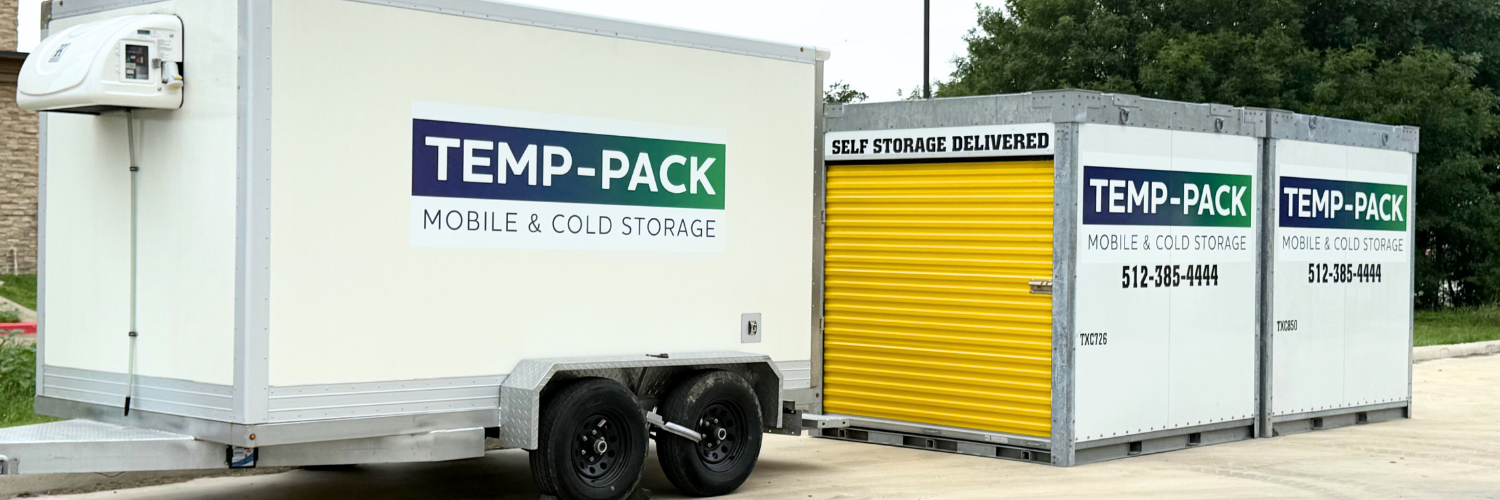
An 8’x12′ refrigerated trailer is the workhorse size for most single-vendor and small festival setups — enough room for a full day’s inventory of proteins, produce, and beverages without crowding.
Larger festivals with multiple vendors sharing a central cold storage point should plan for either a bigger unit or multiple trailers positioned near vendor clusters, so nobody’s hauling product across the grounds in the heat.
Temp-Pack Tip: If your event runs more than one day, book a slightly larger unit than you think you need. Overnight temperature swings and next-day prep inventory eat up space faster than most first-time organizers expect.
Delivery, Setup, and Timing: What to Expect on Event Day
This is where the rental company you choose actually shows up in the details. Ground-level delivery matters more than most planners realize — a unit that requires a ramp or lift gate can turn a 15-minute drop-off into an hour of maneuvering around tents, cables, and foot traffic.
Temp-Pack’s event and festival cold storage trailers are delivered using a hydraulic lift system that sets each unit down at true ground level, so there’s no ramp, no lift gate, and no heavy lifting for your crew. Few teams in Central Texas match that approach to event-day delivery, and it shows in how many festival organizers call back year after year for the next event on the calendar.
Confirm your delivery window at least a few days out, and make sure someone on-site knows exactly where the unit needs to land. Event layouts shift right up until setup morning, and a rental company that can adjust placement without drama is worth more than a slightly lower quote.
Cold Storage for Different Types of Events
Not every event has the same cooling needs:
- Festivals and multi-day events need durable units that hold steady through long hours and heavy vendor traffic.
- Weddings often need smaller, quieter units for floral arrangements, cake, and catering — placed somewhere out of guest sightlines.
- BBQ competitions are their own category entirely, with teams needing reliable cold holding for raw product well before the cook even starts. If that’s your event, it’s worth reviewing cold storage built specifically for BBQ competitions, since the timing and volume needs are different from a typical festival booth.
- Corporate and catered events usually need shorter rental windows but still benefit from the same sanitized, ready-to-use setup.
Before locking in your event budget, it’s worth taking a look at current cold storage rental pricing so you’re not guessing at costs when you’re finalizing vendor contracts.
Plot Twist: The biggest cold storage failures at Texas events rarely happen because of the heat itself — they happen because organizers assumed their vendors already had a cooling plan. Most don’t. Building it into your event logistics, rather than leaving it to individual vendors, is what actually prevents the mid-event scramble.
Keep Your Cool on Event Day
Cold storage isn’t the part of event planning anyone gets excited about, but it’s the part that quietly protects your food, your vendors, and your event’s reputation. Plan for it early, size it honestly, and pick a delivery team that treats event day like it matters as much to them as it does to you. If you’re mapping out logistics for an upcoming festival or wedding, reach out and get a cold storage plan in place before the rest of your to-do list gets away from you.
Preguntas frecuentes
What’s the best cold storage option for events and festivals? For most single-vendor booths and small festivals, an 8’x12′ electric refrigerated trailer is the best fit — it holds a full day’s inventory without needing gas, diesel, or a dedicated generator. Larger multi-vendor festivals usually do better with either a bigger unit or several trailers spread across the grounds.
How far in advance should I book cold storage for an event? Book as soon as your event date and vendor count are confirmed, ideally several weeks out during the busy festival season. Popular delivery windows and unit sizes go fast in spring and fall, and last-minute bookings limit your options on both size and timing.